
 See Our Latest Article on HelloNation
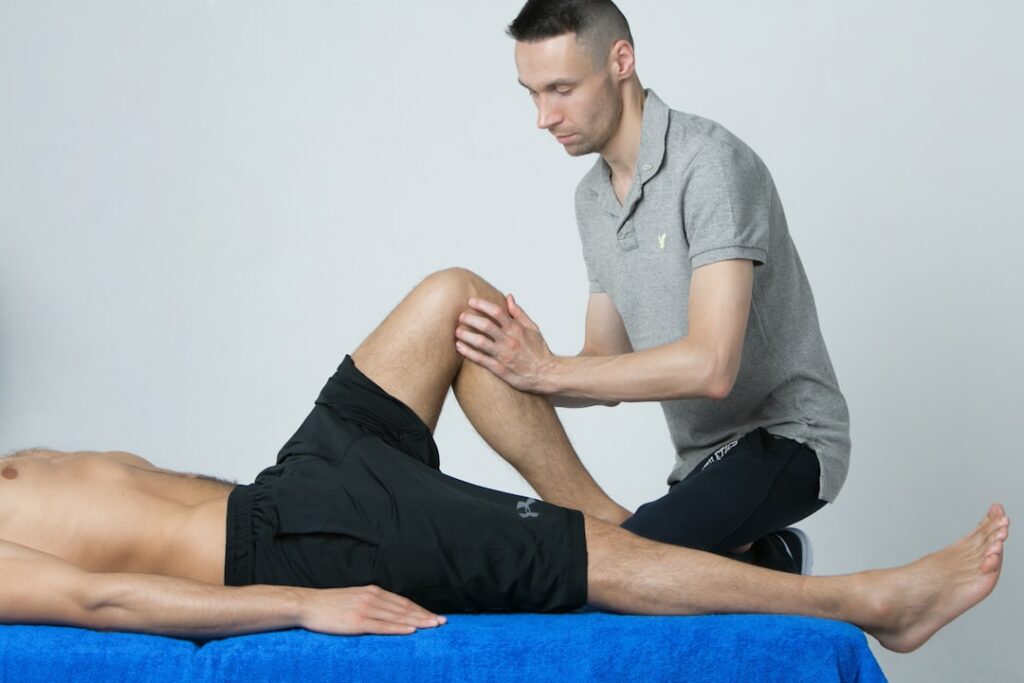
Living in Lansing, NY, many residents love getting outdoors—gardening, hiking in Sapsucker Woods, or pursuing fitness routines at local gyms. The active lifestyle here is part of what makes this community special. However, those regular activities sometimes lead to a nagging, mysterious ache that just doesn't go away with time or rest. For many, the culprit is something called "trigger points." Understanding trigger points and muscle pain can put you on the path to lasting relief and improved quality of life.
What Are Trigger Points?
Trigger points are small, tight knots that form in muscles and the fascia (the connective tissue surrounding muscles). These points can feel tender to the touch and may cause discomfort not only at the site but also in other areas—a phenomenon known as referred pain. A common example is a trigger point in the upper back causing neck pain or even headaches.
Chiropractors and physical therapists frequently encounter trigger points when evaluating and treating patients with chronic muscle pain. Recognizing these points is key to developing an effective treatment plan, especially for active individuals in Lansing who experience recurring discomfort.
Why Do Trigger Points Form?
Trigger points can develop for various reasons, often related to how we use—or misuse—our muscles in daily life. In Lansing, common causes include:
- Repetitive activities: Farmers, gardeners, and those engaged in carpentry or other hands-on professions may overuse certain muscle groups, leading to tension and trigger points.
- Poor posture: Working at a desk, hunching over digital devices, or carrying heavy backpacks to Lansing schools can stress muscles unnecessarily.
- Stress: Mental or emotional stress often causes people to tense their muscles for prolonged periods, which can initiate trigger point development.
- Acute injury: Sudden impacts or pulls from sports, hiking trips at Salt Point, or slips on icy winter sidewalks can set off a muscle spasm leading to trigger points.
- Sedentary lifestyle: Even inactivity or long hours sitting during cold Lansing winters can weaken muscles, making them more susceptible to developing trigger points.
How to Identify Muscle Pain from Trigger Points
Muscle pain can arise from different sources: inflammation, strains, or nerve issues. So, what makes trigger point pain unique? Here are some recognizable features:
- The muscle feels tight or knotted.
- Pressing the knot causes localized tenderness or even sharp pain elsewhere.
- Movements involving the affected muscle feel weak or limited.
- Stretching or using the muscle increases the discomfort.
- Sometimes, pain radiates or causes symptoms like headaches, jaw pain, or tingling in the arms and legs.
If you find a sensitive spot in your muscle that seems to refer discomfort elsewhere, you may be dealing with a trigger point.
Common Trigger Point Hotspots
While trigger points can develop in nearly any muscle, some common hotspots for Lansing residents include:
- Shoulders and neck (especially for those spending hours at a desk or gardening overhead)
- Lower back and gluteal muscles (from manual labor, hiking, or prolonged sitting)
- Calves and hamstrings (affecting runners, sports enthusiasts, and those working on their feet all day)
The Impact of Trigger Points on Daily Life in Lansing
Living with undiagnosed or untreated trigger points can significantly impact your routine:
- Disrupted sleep due to pain, making it harder to enjoy early morning walks on the Lansing Town Trail.
- Difficulty participating in community sports leagues.
- Increased discomfort performing household chores, like shoveling snow in winter or raking leaves in the fall.
- Reduced productivity at work because of constant, distracting muscle aches.

Recognizing the symptoms and causes early is essential for staying active and enjoying everything Lansing has to offer.
How Are Trigger Points Treated?
Treatment typically aims to release the tight muscle fiber and restore normal function. Here are some proven strategies:
- Manual therapy: Chiropractors and massage therapists use targeted pressure, stretching, and manipulation to release trigger points.
- Stretching and exercise: A tailored program with gentle movement and strengthening can correct underlying imbalances.
- Heat therapy: Applying warmth with a heating pad helps increase blood flow and reduce muscle tension.
- Dry needling: In some cases, inserting tiny needles directly into trigger points can provoke a healing response.
- Self-care techniques: Using a foam roller or massage ball at home can offer relief between professional treatments. Residents often benefit from workshops at local Lansing fitness centers on proper self-massage techniques.
Preventing Trigger Points: Simple Tips for Lansing Residents
Whether you’re an athlete or just want to stay pain-free, prevention is always better than treatment. Some tips:
- Maintain good posture when working or using digital devices.
- Take frequent breaks if your tasks are repetitive, such as gardening or typing.
- Stay active—regular movement, especially during long winters, keeps muscles strong and flexible.
- Incorporate stretching into your daily routine, focusing on commonly tight areas.
- Manage stress with relaxation techniques or community wellness programs available in Lansing.
When to See a Professional
If muscle pain or stiffness persists for more than a week, doesn’t improve with basic self-care, or interferes with your daily life, it’s time to consult a healthcare professional. Early evaluation and treatment can prevent chronic issues and help you return to your preferred activities quickly.
Trigger points are a common issue but are often overlooked as a cause of chronic muscle discomfort. By recognizing their signs and knowing the next steps, you can keep moving comfortably—whether you’re tending a Lansing garden, enjoying local parks, or simply working pain-free at your desk. Remember, proactive care and a few lifestyle adjustments can make a world of difference for your muscles and your overall well-being.
