
 See Our Latest Article on HelloNation
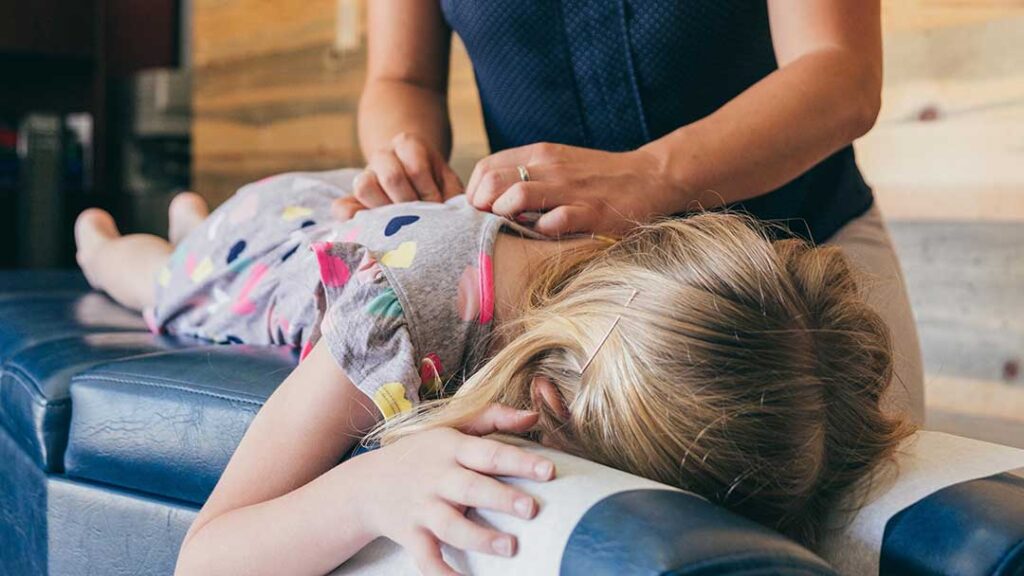
What Are Natural Ways to Improve Mobility for Residents in Lansing, NY?
Improving mobility through natural means involves approaches that support healthy muscles, joints, and movement patterns. In Lansing, NY, where seasonal activities change and winters can be long, practicing targeted strategies is especially valuable for maintaining flexibility and comfort throughout the year.
Movement, flexibility exercises, and mindful daily habits form the foundation of better mobility. A combination of local environmental awareness and science-backed methods can encourage easier movement and reduce stiffness, especially among aging adults and those with sedentary routines.
How Does Regular Movement Influence Mobility?
Regular, deliberate movement helps keep muscles and joints functioning well. Movement supports joint lubrication, muscle length, and overall coordination.
- Even in a smaller community like Lansing, daily activities such as walking, gardening, or household chores contribute to joint health.
- Indoor walking routines in winter or gentle stretching in the morning can help residents avoid the effects of inactivity during colder months.
- Outdoor activities on local trails or parks in milder seasons provide varied terrain that encourages the use of different muscle groups.
Misconception: Only formal exercise counts as "mobility improvement." In reality, small, regular movements—standing up to stretch, changing posture frequently, or gentle shoulder rolls at a desk—are all helpful.
What Role Do Stretching and Flexibility Routines Play?
Consistent stretching routines loosen tight muscles, support healthy posture, and help maintain the range of motion in joints.
Key practical points for the community:
- Dynamic stretches (like arm circles or leg swings) are suitable as part of a warm-up before more strenuous activities.
- Static stretching (holding a gentle stretch for 20-30 seconds) can be incorporated after activity or during quiet times at home.
- Residents who spend long hours sitting, such as those working remotely, should pause to stretch hips, backs, and shoulders to minimize stiffness.
A local example: Residents often shovel snow in winter, which can tighten back and shoulder muscles. Gentle stretches afterward minimize soreness and encourage flexibility.
Can Local Lifestyle Choices Influence Mobility?
Yes—daily habits unique to the region, such as winter-related home tasks or common outdoor hobbies, directly impact activity levels and joint comfort.
Situational tips for Lansing:
- Cold weather can increase stiffness for many. Staying warm with proper clothing and moving regularly indoors helps offset this.
- For those engaged in gardening, lifting with proper technique and varying positions prevents stress on the lower back and knees.
- Choosing sturdy, comfortable footwear is especially important on icy sidewalks or trails to minimize the risk of falls and joint injuries.
How Do Hydration and Nutrition Affect Joint Health?
Joint tissue depends on adequate hydration and nutrients to remain supple and resilient. Dehydration or nutrient-poor diets may contribute to muscle cramps or joint discomfort.
Area households benefit from:
- Drinking fluids steadily through the day, even if not thirsty, as the region’s weather can swing from humid summers to dry indoor air in winter.
- Including foods rich in antioxidants, omega-3 fatty acids, and minerals such as calcium and magnesium. These support joint tissue repair and reduce inflammation.
Misconception: Only athletes need to focus on nutrition and hydration. In reality, these are fundamental for everyday comfort at all ages.
Which At-Home Techniques Encourage Safe Mobility Improvement?
Several home-based techniques are safe for most adults seeking to move more easily.
Safe options include:
- Using household supports: Chairs or countertops as anchors for gentle balance exercises.
- Applying cold or warm packs (not directly to the skin) to ease mild joint or muscle discomfort.
- Practicing mindful posture during common activities such as using a computer, watching TV, or doing yardwork.
Residents with existing health concerns or persistent pain should always check whether new routines are appropriate before making major changes.
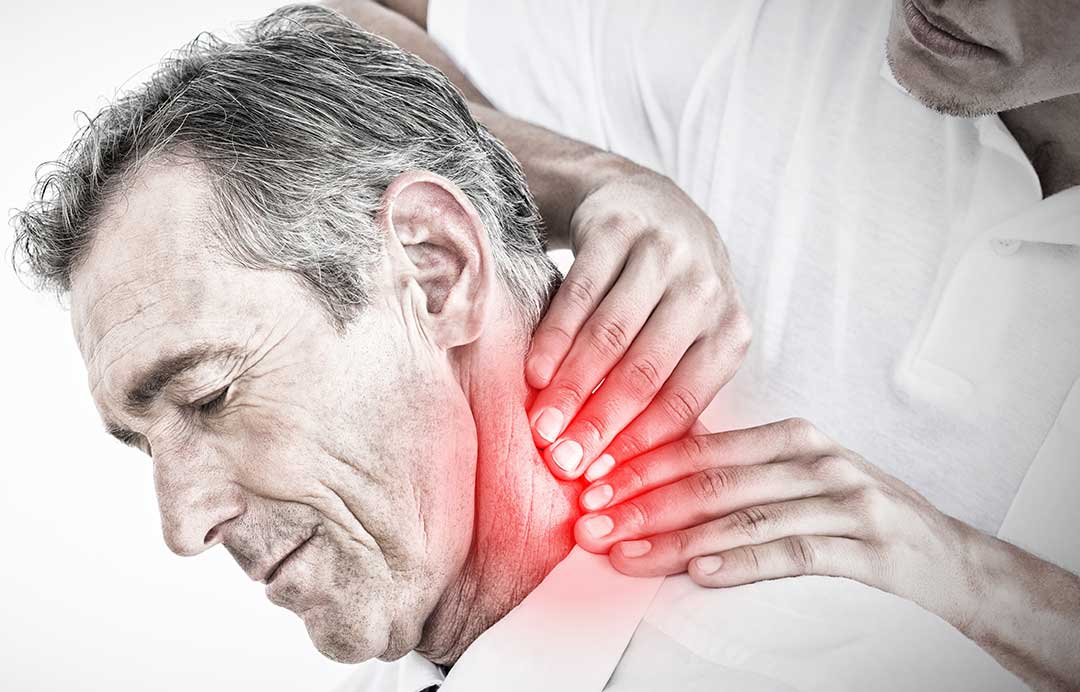
Are There Common Mistakes When Trying to Improve Mobility?
People often overlook pacing, recovery, or proper warm-up, which can lead to soreness or minor injuries.
Areas to watch for:
- Jumping into vigorous activity without preparation, especially when resuming seasonal chores like raking leaves or shoveling.
- Ignoring discomfort signals from joints or muscles, which should prompt rest or adjustment of technique.
- Attempting to stretch beyond a comfortable range, which can strain tissues.
Johns and ligaments benefit most from consistent, gentle improvements over time, rather than infrequent, intensive efforts.
How Does Stress Affect Mobility, and What Can You Do About It?
Stress—mental or emotional—can contribute to physical tension, limiting movement or causing subtle aches.
Simple strategies that work well for local residents:
- Practicing deep breathing or brief mindfulness breaks, particularly during long periods at a desk or after challenging home tasks.
- Incorporating gentle, rhythmic activities like walking or non-competitive dancing, which relax both mind and body.
This can be especially helpful during the long winter months when outdoor activity options are fewer and indoor routines may increase stress levels.
Is Mobility Improvement Just for Older Adults?
Mobility matters for everyone, across ages and activity levels. In Lansing, where recreational options range from lakeside walks to team sports, maintaining healthy movement benefits both youth and adults.
Young, active individuals prevent future problems by supporting flexibility and muscle balance early. Aging residents improve confidence and independence by prioritizing gentle, everyday movement.
Parents can encourage children to take brief activity breaks during homework or screen time, supporting lifelong flexibility.
When Is Specific Medical Guidance Needed?
Most minor stiffness or mild mobility challenges can be improved with gentle, regular routines and awareness of daily habits. However, certain situations do require professional assessment. Seek medical advice if:
- Pain or stiffness is severe, persistent, or accompanied by significant swelling
- There is loss of function or sudden inability to move a joint
- Mobility is affected by a recent injury or fall
Otherwise, gradual, informed approaches rooted in daily Lansing life are often effective for maintaining and improving comfortable movement.
