
 See Our Latest Article on HelloNation
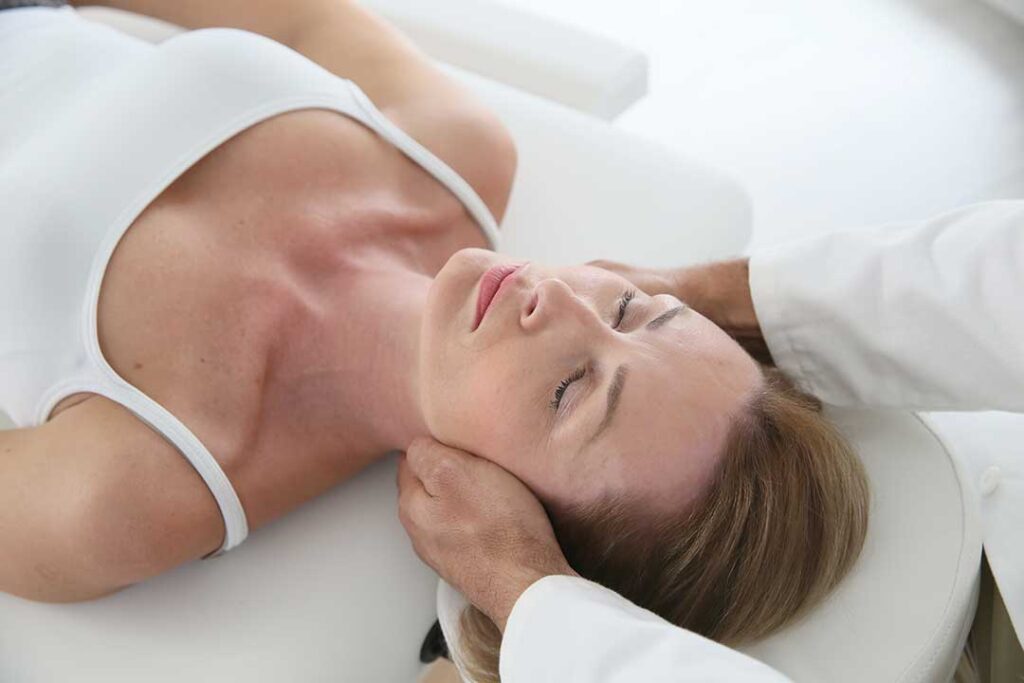
Waking with a stiff back, tight hips, or a sore neck is common, especially after a long night in one position. A short, gentle mobility routine can help the body transition from rest to movement without forcing cold muscles or irritated joints.
For residents in Lansing, NY, seasonal routines may also play a role. Cold mornings can encourage people to stay still longer, while snow clearing, commuting, home maintenance, and outdoor recreation may place extra demands on the back and legs. Morning stretching should prepare the body for the day—not test its limits.
Should stretching happen immediately after getting out of bed?
Not necessarily. The safest approach is to begin with slow movement before holding longer stretches. Muscles and joints may feel less responsive after several hours of limited movement, so walking around the room, washing up, or gently rolling the shoulders can serve as a brief warm-up.
Stretching should create mild tension, not sharp, burning, electric, or worsening pain. Avoid bouncing, jerking, or trying to force a range of motion. General stretching guidance recommends slow movements, relaxed breathing, and stopping if pain develops. ([mayoclinic.org](https://www.mayoclinic.org/healthy-lifestyle/fitness/in-depth/stretching/art-20546848?utm_source=openai))
A five- to eight-minute sequence can include the following movements.
What morning stretches can loosen the back and hips?
Pelvic tilts
Lie on your back with knees bent and feet resting on the floor. Gently tighten the lower abdomen and flatten the lower back toward the floor. Hold for two or three seconds, then allow the back to return to a neutral position.
Repeat 8 to 10 times.
This movement is not a forceful back stretch. It helps wake up the abdominal and pelvic muscles while introducing controlled motion to the lower spine.
Single-knee-to-chest stretch
Remain on your back with both knees bent. Slowly bring one knee toward the chest, using the hands behind the thigh rather than pulling directly on the kneecap. Hold for 15 to 20 seconds, then lower the leg and switch sides.
If comfortable, both knees may be brought toward the chest, but this variation is not suitable for everyone. A person with hip replacement precautions, significant hip pain, or a condition aggravated by spinal flexion should skip it unless cleared for that movement.
Gentle trunk rotation
With knees bent and feet on the floor, allow both knees to move a small distance toward one side while keeping the shoulders relaxed. Return to center and repeat on the other side.
The movement should remain small and controlled. It is not necessary for the knees to reach the floor. Six slow repetitions per side are usually enough for a morning routine.
Which stretches help tight legs after sleeping?
Tight hamstrings, calves, and hip flexors can make the first steps of the morning feel awkward. These muscles may also become stiff after sitting for long periods, including during commuting or desk work.
Seated hamstring stretch
Sit near the front of a sturdy chair. Extend one leg with the heel on the floor and toes pointing upward. Keep the back relatively straight and lean forward from the hips until a mild stretch is felt behind the thigh.
Hold for 15 to 30 seconds on each side. Do not round the back aggressively or reach toward the toes.
Standing calf stretch
Place both hands on a wall or other stable surface. Step one foot back, keep the heel down, and gently bend the front knee. Keep the back leg aligned rather than letting the foot turn outward.
Hold for 20 to 30 seconds, then switch sides. This can be particularly useful before walking outdoors on uneven or slippery winter surfaces, although it does not replace appropriate footwear or caution.
Hip flexor stretch
Stand in a split stance with one foot several inches behind the other. Bend both knees slightly and gently shift the pelvis forward without arching the lower back.
Hold for 15 to 20 seconds per side. The stretch should be felt near the front of the hip, not as pressure in the lower back.
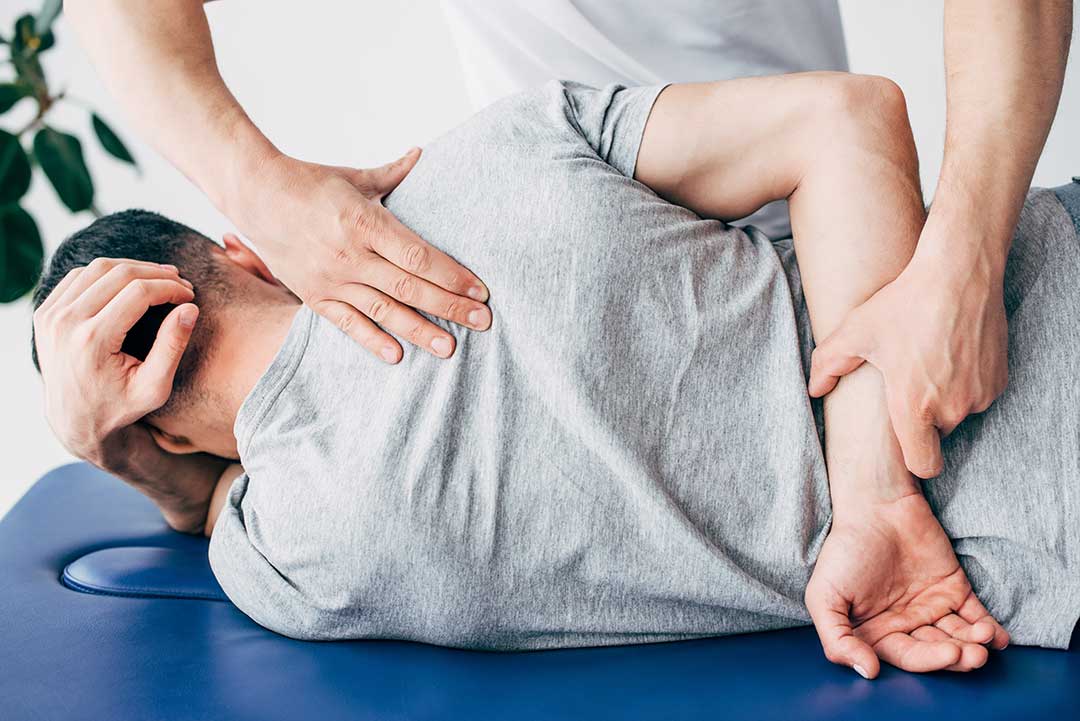
How can the neck and shoulders be included safely?
Neck stiffness often reflects sleep position, pillow height, prolonged screen use, or shoulder tension rather than a problem that requires aggressive stretching. Keep neck movements small and slow.
Try these options:
- Turn the head gently to the right and left without pushing at the end of the motion.
- Bring one ear slightly toward the same-side shoulder while keeping the opposite shoulder relaxed.
- Roll the shoulders backward in slow circles.
- Draw the shoulder blades gently down and back, then release.
Hold neck stretches for about 10 to 15 seconds. Do not pull on the head with the hand, circle the neck rapidly, or continue if dizziness, numbness, tingling, headache, or arm symptoms appear.
Is stretching enough to prevent morning pain?
Stretching may improve flexibility and joint range of motion, but it cannot address every cause of stiffness. Regular walking, basic strength exercises, adequate sleep support, and changes in prolonged sitting may be just as relevant.
A morning routine should also match the day ahead. Someone planning to shovel snow, carry materials, garden, or exercise may benefit from several minutes of active movement first, such as marching in place, easy walking, or controlled hip and shoulder movements. Static stretches are generally better suited to relaxed mobility work than to preparing immediately for explosive activity. ([mayoclinic.org](https://www.mayoclinic.org/healthy-lifestyle/fitness/in-depth/stretching/art-20047931?utm_source=openai))
It is also a misconception that a stronger stretch produces a better result. Flexibility gains come from consistent, tolerable practice. Forcing a stiff area can increase soreness and may cause a person to compensate elsewhere.
When should morning stretching be stopped?
Stop a movement if it causes sharp pain, increasing pain, numbness, tingling, weakness, unusual dizziness, or symptoms that travel into an arm or leg. New severe pain after a fall, lifting incident, or other injury also calls for caution.
Medical evaluation is especially important for back pain accompanied by loss of bladder or bowel control, numbness around the groin, progressive leg weakness, fever, unexplained weight loss, or pain that is severe and persistent. Ongoing symptoms that are not improving should also be assessed rather than managed only with stretching. Back pain can worsen when people suddenly overdo activity after being inactive, so gradual progression is safer than trying to “work through” stiffness. ([mayoclinic.org](https://www.mayoclinic.org/healthy-lifestyle/adult-health/in-depth/back-pain/art-20546859?utm_source=openai))
A practical starting routine is simple: walk gently for a few minutes, complete pelvic tilts, stretch each hamstring and calf, add light hip and shoulder mobility, and finish before discomfort increases. Done consistently, that approach can make the first part of the day feel more comfortable while keeping expectations realistic about what stretching can and cannot do.
