
 See Our Latest Article on HelloNation
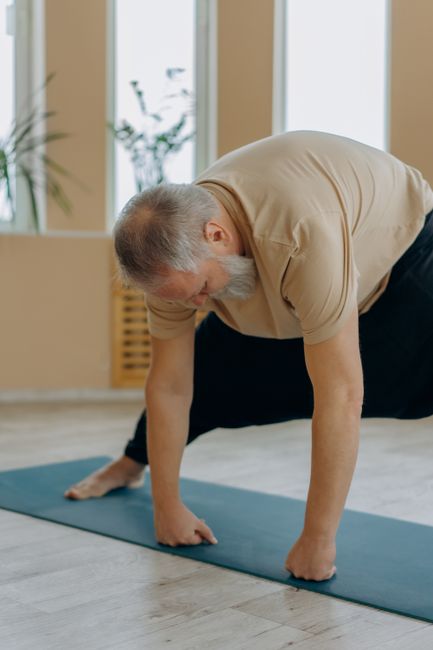
What does better mobility mean for seniors?
Better mobility means being able to walk, turn, reach, rise from a chair, climb steps, and manage daily activities with less pain or stiffness. For older adults, mobility is not only about athletic ability. It also affects independence, confidence, social participation, and the ability to remain active at home and in the community.
Chiropractic care may support mobility by addressing joint movement, muscle tension, spinal function, and pain that can make ordinary activities more difficult. It is most useful as one part of a broader plan that may also include exercise, balance training, medical care, home-safety changes, and attention to vision, footwear, and medications.
How can chiropractic care help an older adult move more comfortably?
Chiropractic care commonly includes a health history, physical examination, movement assessment, and treatment designed to match a person’s age, medical conditions, and functional goals. Depending on the situation, care may involve gentle joint mobilization, soft-tissue techniques, stretching guidance, or carefully selected spinal manipulation.
Potential mobility-related benefits may include:
- Reducing stiffness in the back, hips, shoulders, or other joints
- Improving comfortable range of motion
- Easing muscle tightness that interferes with walking or reaching
- Supporting more natural posture and movement patterns
- Making it easier to participate in strengthening or balance exercises
Pain and stiffness can lead to a cycle of avoidance. A person may walk less because movement hurts, then lose strength and confidence because of reduced activity. Addressing discomfort while gradually restoring safe movement may help interrupt that cycle.
Chiropractic treatment does not rebuild damaged cartilage, reverse osteoporosis, or cure every cause of limited mobility. Its role is generally supportive: helping a person move more comfortably while the underlying condition is evaluated and managed appropriately.
Which age-related problems may affect mobility?
Mobility changes can have many causes, and they are not always caused by the spine. Osteoarthritis, previous injuries, muscle loss, reduced balance, nerve problems, foot pain, vision changes, and certain medications may all affect walking and daily movement.
Common concerns include:
- Low-back pain that makes standing or walking difficult
- Hip or knee stiffness after sitting
- Neck and upper-back discomfort that limits turning or reaching
- Shoulder restriction that affects dressing or household tasks
- Reduced balance or fear of falling
- Muscle weakness after illness, surgery, or a period of inactivity
A careful assessment matters because similar symptoms can have very different causes. For example, leg pain may come from a joint, a nerve, circulation problems, or a combination of factors. Treatment should be based on the likely source rather than on age alone.
Is spinal manipulation appropriate for every senior?
No. Age by itself does not automatically rule out chiropractic care, but older adults often have health factors that require additional caution. Osteoporosis, recent fractures, advanced arthritis, blood-clotting problems, cancer, infection, severe nerve symptoms, and some vascular conditions may affect whether a particular technique is suitable.
Older adults should share a complete health history, including:
- Recent falls or injuries
- Bone-density concerns or diagnosed osteoporosis
- Surgeries and joint replacements
- Blood-thinning medication
- Numbness, weakness, or changes in coordination
- Dizziness, fainting, or unexplained balance changes
- Any new or rapidly worsening symptoms
Treatment may be modified to use slower, gentler approaches, or it may be inappropriate until another medical concern has been evaluated. Mild temporary soreness or stiffness can occur after manual treatment. Severe, unusual, or persistent symptoms require prompt medical attention.
How does chiropractic care fit with exercise?
Exercise is essential for maintaining mobility because comfortable joint movement alone does not provide the strength and balance needed for daily life. Older adults generally benefit from a combination of aerobic activity, muscle strengthening, flexibility work, and balance exercises.
A movement plan might include:
- Short, comfortable walks
- Sit-to-stand practice from a stable chair
- Light resistance-band exercises
- Gentle stretching for the hips, calves, shoulders, and back
- Balance practice near a countertop or sturdy support
- Water-based exercise when weight-bearing activity is uncomfortable
The appropriate starting point depends on current ability. Someone who has been inactive, recently fallen, or is managing a chronic condition may need shorter sessions and closer supervision. Progress should be gradual rather than based on pushing through sharp pain.
Chiropractic care may make exercise easier by reducing stiffness or improving comfort, but exercise is what helps build the strength and coordination needed for lasting functional improvement.
Can better mobility reduce fall risk?
Improved mobility may support safer walking, but treatment for pain or stiffness should not be considered a complete fall-prevention program. Falls can result from weakness, poor balance, vision problems, unsafe footwear, dizziness, medication effects, and hazards inside or outside the home.
In Lansing, seasonal conditions can add practical challenges. Snow, ice, wet leaves, uneven outdoor surfaces, and transitions between heated indoor spaces and slippery entryways may require extra planning. Keeping walkways clear, using adequate lighting, choosing shoes with secure nonslip soles, and taking time on steps can reduce avoidable risks.
Balance training and leg strengthening are especially valuable. A person who frequently loses balance, feels lightheaded, or has fallen should receive a broader health evaluation rather than relying only on hands-on care.
What symptoms need medical evaluation first?
Some symptoms should be evaluated medically before beginning or changing physical treatment. These include sudden weakness, loss of bladder or bowel control, unexplained weight loss, fever, severe night pain, new numbness, chest pain, shortness of breath, fainting, or pain following a significant fall.
A sudden change in walking ability also deserves attention, particularly if it occurs with confusion, speech difficulty, facial weakness, or one-sided weakness. These may signal an urgent medical problem.
Persistent hip or back pain after a minor fall can also be significant in an older adult, especially when bone strength is reduced. Waiting for symptoms to resolve without evaluation may delay treatment of a fracture or other condition.
What should seniors expect from a mobility-focused visit?
A useful visit should begin with questions about daily function, not just a pain score. The discussion may include walking tolerance, sleep, stairs, dressing, household tasks, recent falls, and activities the person wants to resume.
An assessment may look at posture, gait, joint movement, strength, balance, and neurological signs. The plan should explain what treatment is intended to address, what changes are realistic, and which activities can be performed safely between visits.
Progress is often measured in practical terms: standing longer, turning more easily, walking farther, getting out of a chair with less effort, or completing household tasks with greater confidence. For older adults, these functional improvements may matter more than achieving a particular range-of-motion number.
A balanced approach recognizes both the potential benefits and the limits of chiropractic care. Safe hands-on treatment may help some seniors move with less discomfort, but durable mobility depends on addressing the wider picture: strength, balance, activity habits, medical conditions, home safety, and confidence in movement.
