
 See Our Latest Article on HelloNation
Minor aches and pains are easy to dismiss, especially after yardwork, a long drive, household repairs, or a physically demanding day. Most are not emergencies, but recurring or gradually worsening discomfort can reveal a movement problem, irritated tissue, or an injury that has not fully healed.
For residents of Lansing, NY, seasonal routines can make this especially relevant. Shoveling, gardening, carrying firewood, walking on uneven or icy surfaces, and spending more time indoors during colder months can all change how the back, neck, shoulders, hips, and knees are used.
Why can a minor ache be worth paying attention to?
A mild ache often represents the body’s response to unusual stress. Muscles may be overworked, joints may be moving differently, or connective tissues may be irritated. The discomfort may settle within a few days, but repeatedly ignoring the same signal can allow the underlying strain to continue.
Pain is not always a precise measure of damage. A small injury can hurt significantly, while a more persistent problem may begin with only stiffness or occasional soreness. The more useful questions are:
- Is the discomfort improving, staying the same, or worsening?
- Does it return during the same activity?
- Is movement becoming more limited?
- Is the pain affecting sleep, work, exercise, or household tasks?
- Are numbness, tingling, weakness, swelling, or balance changes present?
A brief ache after unfamiliar activity is often less concerning than pain that keeps returning without a clear explanation.
What can cause recurring aches and pains?
Common causes include muscle strain, joint irritation, tendon overload, minor sprains, poor lifting mechanics, prolonged sitting, and sudden increases in activity. Repetitive movements can also contribute. For example, using a shovel, raking, reaching overhead, or carrying a child on one side may place uneven stress on the body.
Daily habits can matter as much as one dramatic event. A workstation that encourages the head to stay forward, a mattress that does not support comfortable sleep, or long periods without changing position may contribute to neck or back discomfort.
Some pain is also referred from another area. A problem affecting the lower back may be felt in the buttock or leg, while shoulder discomfort may be influenced by the neck or upper back. That does not mean every ache requires imaging or extensive testing. It does mean that persistent symptoms deserve a thoughtful assessment rather than repeated guesswork.
When is it reasonable to monitor symptoms at home?
For a mild ache that follows a recognizable activity and is gradually improving, short-term self-care may be reasonable. The goal is usually gentle recovery rather than complete inactivity.
Helpful measures may include:
- Reducing the specific activity that triggered the pain for a short period
- Continuing comfortable movement instead of prolonged bed rest
- Using heat for stiffness or ice for a recently irritated area, with a cloth barrier
- Adjusting posture and changing positions regularly
- Returning to activity gradually rather than trying to “push through”
- Keeping track of what worsens or relieves the symptoms
Medication decisions should account for age, pregnancy, allergies, kidney or liver disease, stomach problems, blood thinners, and other health conditions. A pharmacist or medical clinician can help determine whether an over-the-counter medicine is appropriate.
Back pain commonly improves over days or weeks, and prolonged bed rest is generally not considered helpful for routine low-back pain. ([medlineplus.gov](https://www.medlineplus.gov/ency/article/007425.htm?utm_source=openai))
When should someone seek an evaluation?
An evaluation becomes more appropriate when pain does not steadily improve, keeps returning, or interferes with normal activities. It is also sensible to seek guidance when the cause is unclear, symptoms began after a fall or collision, or the pain is becoming more intense.
Particular situations that warrant prompt medical attention include:
- New weakness in an arm or leg
- Numbness or tingling that persists or spreads
- Pain traveling down an arm or leg
- Significant swelling, redness, warmth, or unexplained bruising
- Fever, unexplained weight loss, or feeling unusually ill
- Pain that is severe at night or does not change with position
- New pain after a significant fall, especially in an older adult or someone with fragile bones
- Symptoms that continue despite reasonable activity changes

These signs do not automatically indicate a serious condition, but they make self-treatment alone less appropriate.
Which symptoms require urgent or emergency care?
Certain back and neck symptoms should not be managed by waiting several days. Emergency evaluation is warranted for new loss of bladder or bowel control, difficulty urinating, numbness around the inner thighs or genital area, or rapidly progressing weakness. These can indicate severe nerve compression. ([nhs.uk](https://www.nhs.uk/conditions/back-pain/?utm_source=openai))
Immediate care is also appropriate for pain associated with chest pressure, shortness of breath, fainting, sudden severe headache, major trauma, or sudden one-sided weakness. In these situations, the concern may extend beyond a muscle or joint problem.
Does ignoring pain make it worse?
Ignoring pain does not always cause permanent damage, but it can change behavior in unhelpful ways. A person may begin favoring one side, avoiding certain movements, sleeping poorly, or becoming less active. Over time, those adaptations can create stiffness and weakness in other areas.
Pain can also become easier to trigger when activity repeatedly exceeds the body’s current capacity. This is common after a sudden increase in exercise, seasonal chores, or returning to a demanding task after months of reduced activity.
That does not mean every ache must be eliminated before normal movement resumes. A better approach is to distinguish tolerable, improving soreness from pain that is sharp, escalating, or associated with neurological symptoms.
What role can chiropractic care play?
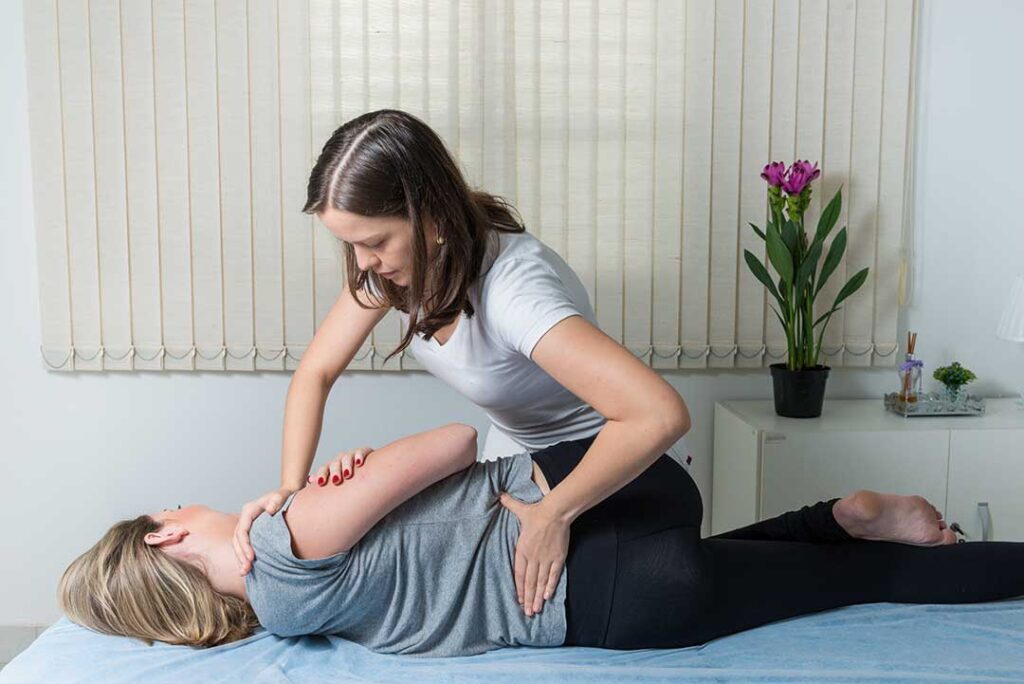
Chiropractic care is one possible approach for some muscle and joint conditions, particularly certain types of mechanical low-back or neck pain. Care may include movement assessment, manual techniques, exercise guidance, and advice about activity modification. The appropriate approach depends on the person’s symptoms, health history, medications, and examination findings.
Evidence reviews indicate that spinal manipulation may provide modest relief for some people with acute or chronic low-back pain, but it is one option among several, including exercise and physical therapy. Mild temporary soreness can occur, and treatment should be provided by a trained, licensed practitioner who screens for conditions requiring medical care instead. ([nccih.nih.gov](https://www.nccih.nih.gov/health/low-back-pain-and-complementary-health-approaches-what-you-need-to-know?utm_source=openai))
A responsible evaluation should not assume that every ache is caused by a “misaligned” spine. It should consider muscles, joints, nerves, activity level, prior injuries, general health, and warning signs.
How can local residents reduce avoidable aches?
Prevention is often practical rather than complicated. During snow removal, gardening, and home maintenance, alternate tasks, avoid twisting while lifting, keep loads close to the body, and take brief breaks before fatigue affects technique. On icy or uneven ground, use deliberate steps and suitable footwear rather than rushing.
After periods of inactivity, increase walking, exercise, or outdoor chores gradually. Strengthening the legs, hips, trunk, and upper back can improve tolerance for everyday demands, while regular movement breaks may help people who spend long periods sitting indoors.
Minor pain is information, not a diagnosis. Paying attention to its pattern—especially whether it improves, returns, spreads, or affects strength and function—helps determine whether simple self-care is enough or whether a more complete evaluation is needed.
