
 See Our Latest Article on HelloNation

Why Does Neck Pain Keep Coming Back?
Recurring neck pain often results from a mix of everyday habits, physical stress, and environmental factors. In many Lansing, NY households, neck pain can flare up repeatedly due to posture, lifestyle choices, and the fluctuating local climate, which influences how much time people spend indoors or outside. Addressing why pain returns is the first step to long-term comfort.
Most repeated neck pain is linked to:
- Prolonged poor posture, especially at desks or mobile devices
- Stress tensions that tighten neck and shoulder muscles
- Unchanged sleeping positions or unsupportive pillows
- Repeated physical strain, often from chores, gardening, or carrying heavy bags
People occasionally overlook that neck pain may be tied to the area's seasonal patterns. For instance, shoveling after heavy snowfall in winter or yardwork during spring cleanup can put new strain on neck muscles.
How Can Residents Improve Posture to Reduce Neck Pain?
Improved posture is a practical, effective method for minimizing neck strain at work, school, or home. Begin with small, conscious adjustments:
Sitting at desks:
- Keep computer screens at eye level to avoid looking down
- Sit with feet flat on the floor and shoulders relaxed
- Adjust chairs to support the lower back and maintain a neutral spine
While using mobile devices:
- Hold devices at eye level, not in your lap
- Take frequent breaks and stretch gently
Standing and walking:
- Keep ears aligned above shoulders, not jutting forward
- Avoid slouching when carrying backpacks or groceries
Many local workplaces and schools have transitioned to hybrid or remote setups, so residents may need to periodically review home desk setups. Rearranging furniture for better light, adjusting desk height, or making minor changes to chair support can have a noticeable impact.
What Role Does Sleep Play in Neck Health?
Quality sleep—and its setup—often makes a difference in recurring neck discomfort. Neck pain may stem from hours spent in awkward positions.
Practical tips for better sleep support:
- Choose a pillow that keeps your head level with your spine; memory foam or feather pillows often work well, but the best type is one that feels comfortable and maintains alignment
- Avoid sleeping on your stomach, as this bends the neck unnaturally
- Consider a slightly firmer mattress if you notice aches after waking
Lansing's colder months can lead many to hunch under thick blankets, so watch for pillow piling or layering that bends the neck at an angle.
Are There Daily Habits That Help Prevent Neck Pain?
Simple routines—performed consistently—support a healthier neck. These practical habits fit easily into most local residents’ routines:
- Gentle neck stretches in the morning and evening
- Adjusting car headrests so the middle of the head rests comfortably, especially during longer commutes
- Pausing for movement breaks during long periods of reading, crafting, or computer work
- Carrying bags with both straps or alternating shoulders
During winter, icy sidewalks and snow shoveling increase risk for sudden jerks or falls, which can aggravate neck issues. Warm up with light movements before outdoor chores.
Does Stress Management Make a Difference?
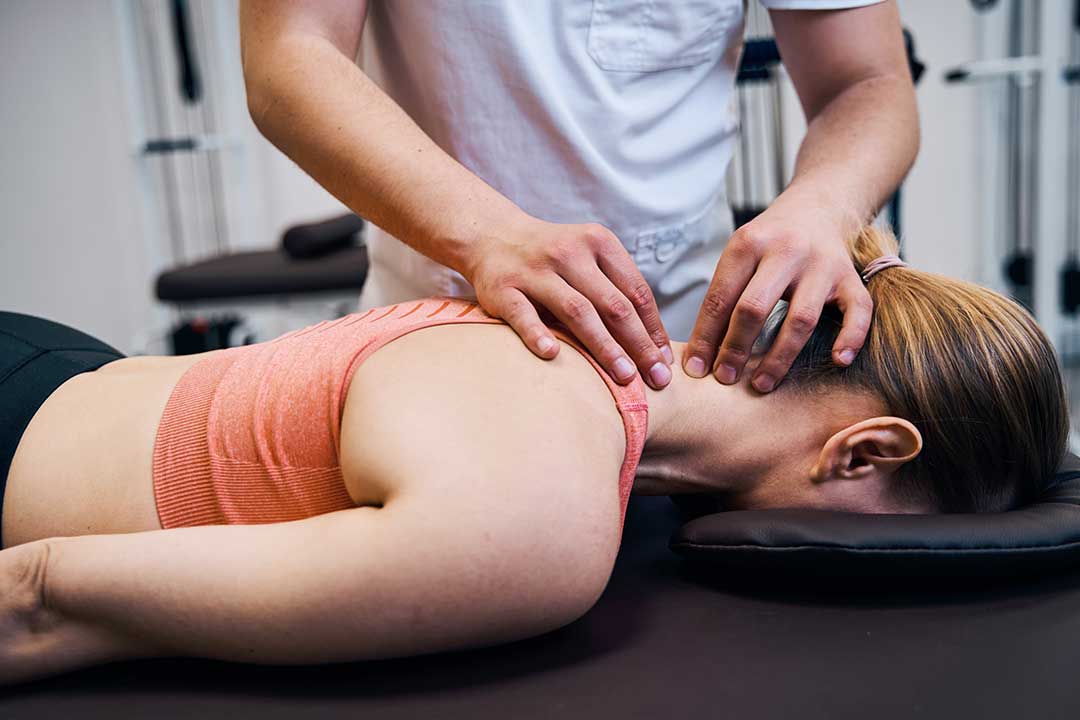
Stress and tension in daily life often show up physically—especially in the shoulders and neck. In Lansing, like anywhere, busy schedules and uncertainty can contribute to chronic muscle tightness.
Ways to encourage relaxation:
- Deep breathing exercises or mindfulness techniques
- Setting aside quiet moments for relaxation, even just a few minutes per day
- Gentle walking outdoors, connecting with local parks or nature spots in the area
- Gradual stretching routines at home
People sometimes overlook that emotional stress can cause as much physical tension as lifting something heavy.
Are There Common Misconceptions About Preventing Neck Pain?
Several myths can lead to frustration or delay improvement:
- "Neck pain is just part of getting older." While pain may become more common with age, it is not inevitable and can often be managed or reduced with good habits.
- "Only injuries cause recurring pain." Daily posture and repetitive actions frequently play a stronger role than a single incident.
- "Exercise will make it worse." Safe, gentle movement generally supports muscle health unless a recent injury or specific condition requires rest.
Being aware of these misconceptions helps area residents set realistic expectations for prevention.
When Should Someone Be Concerned About Neck Pain?
Most neck pain gradually fades with time and self-care, but certain symptoms deserve closer attention:
- Sudden, severe pain after a fall, accident, or impact
- Pain that radiates into arms or causes numbness, tingling, or weakness
- Neck pain accompanied by fever, severe headache, or unexplained weight loss
- Persistent pain lasting several weeks with no clear cause
In these cases, or if day-to-day activities become limited, reaching out to a qualified healthcare provider is the safest step.
What Locally Relevant Factors Affect Neck Pain in Lansing?
Climate and lifestyle in the area influence how and when neck pain might occur. Winter brings snow shoveling, potential slips, and bundled clothing that can encourage poor movement patterns. Seasonal yardwork, outdoor sports, or carrying heavy firewood in colder months also increase risk of muscle strain.
Local housing patterns—ranging from farmsteads to residential neighborhoods—may involve unique forms of physical labor, like stacking supplies or tending animals, that add specific strain not seen in more urban settings.
Adapting daily habits to these realities—such as warming up for outdoor work and taking breaks during longer chores—helps reduce the likelihood of pain returning.
