
 See Our Latest Article on HelloNation
What Is Scoliosis and How Does It Affect Daily Life?
Scoliosis refers to an abnormal sideways curvature of the spine that can develop in children, teens, or occasionally in adults. The degree of curvature may be mild, moderate, or severe, with each level presenting its own challenges. For local residents, especially young people in area schools, scoliosis can mean discomfort, postural changes, joint stiffness, or visible unevenness in the shoulders or hips.
Impact on daily life can vary widely. Some people experience few symptoms, while others notice back pain, fatigue after physical activities, or difficulty with household chores like snow shoveling during the region’s winter months. In rare cases, severe scoliosis may impact breathing or heart function due to decreased space in the chest cavity.
Can Chiropractic Help Manage Scoliosis?
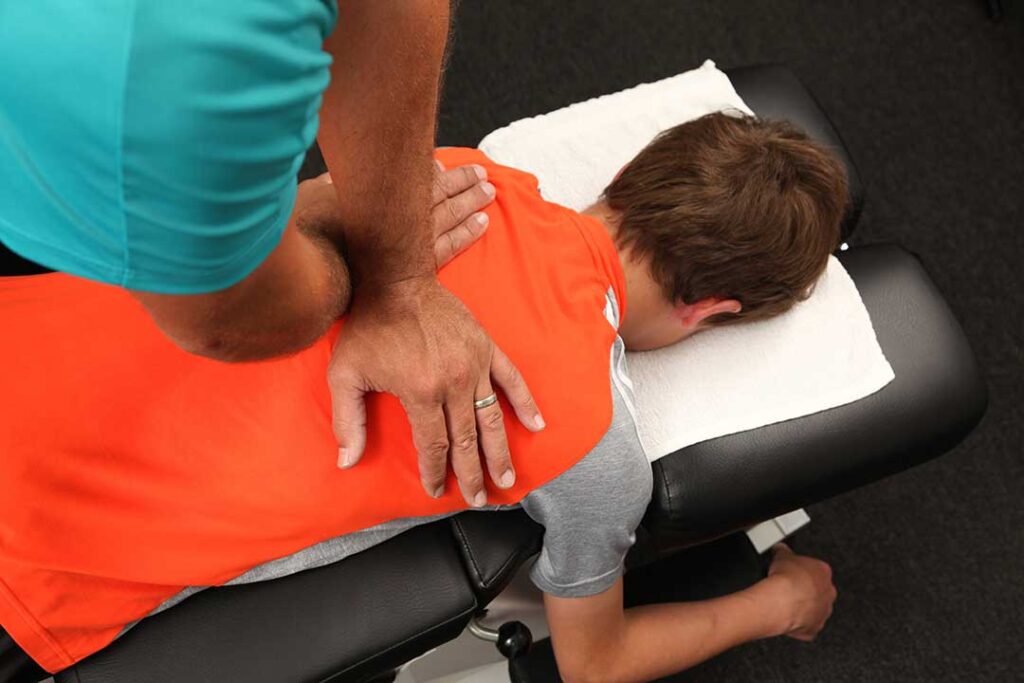
Chiropractic care is not a cure for scoliosis, but some individuals find it helpful in managing symptoms. Treatments might improve mobility, relieve muscle tension, and support better posture, which can be useful during routines that involve frequent bending, lifting, or long periods of sitting.
Some evidence suggests that specific chiropractic adjustments and supportive exercises may decrease discomfort, though results depend on factors like age, curvature severity, and individual response to care. Chiropractic is most often considered as a complementary approach alongside regular monitoring by medical professionals or other non-surgical therapies. In Lansing, families should understand that most medical guidelines recommend observation or bracing in moderate cases, and surgery in severe cases—chiropractic may be a supportive tool, rather than a replacement for these interventions.
What Types of Scoliosis Are Most Common Locally?
In most communities, including Lansing, the majority of scoliosis cases are “idiopathic,” meaning the cause is unknown and the condition most often develops during adolescent growth spurts. Less commonly, congenital or neuromuscular scoliosis may occur, often alongside other medical conditions.
Recognizing symptoms early, such as uneven waistlines or shoulders in children, can help families engage with healthcare providers sooner. Schools in the area typically screen for scoliosis, though families sometimes notice subtle signs at home.
What Does Chiropractic Care for Scoliosis Typically Involve?
After an initial assessment, chiropractic care may include gentle manual adjustments to the spine, muscle stretching, and guidance on posture or movement. These approaches are aimed at:
- Increasing comfort during daily activities
- Reducing muscle spasm or tightness
- Supporting flexibility, especially during typical local activities like gardening, raking leaves, or shoveling snow
- Providing guidance on ergonomics for students or home offices
Care plans are individualized to each person’s needs and may change with growth, season, or symptom changes. Chiropractors may also suggest at-home exercises to help manage muscle imbalances.
Are There Risks or Misconceptions About Chiropractic for Scoliosis?
Chiropractic adjustments are considered low risk for most individuals, especially when used as part of a holistic management plan. However, there are common misconceptions:
- Chiropractic cannot reverse or “straighten” moderate to severe curves.
- There is no scientific support for braces or surgery being replaced by chiropractic treatment in severe cases.
- Very young children, or those with certain underlying medical conditions, may require special assessment before beginning manual therapies.
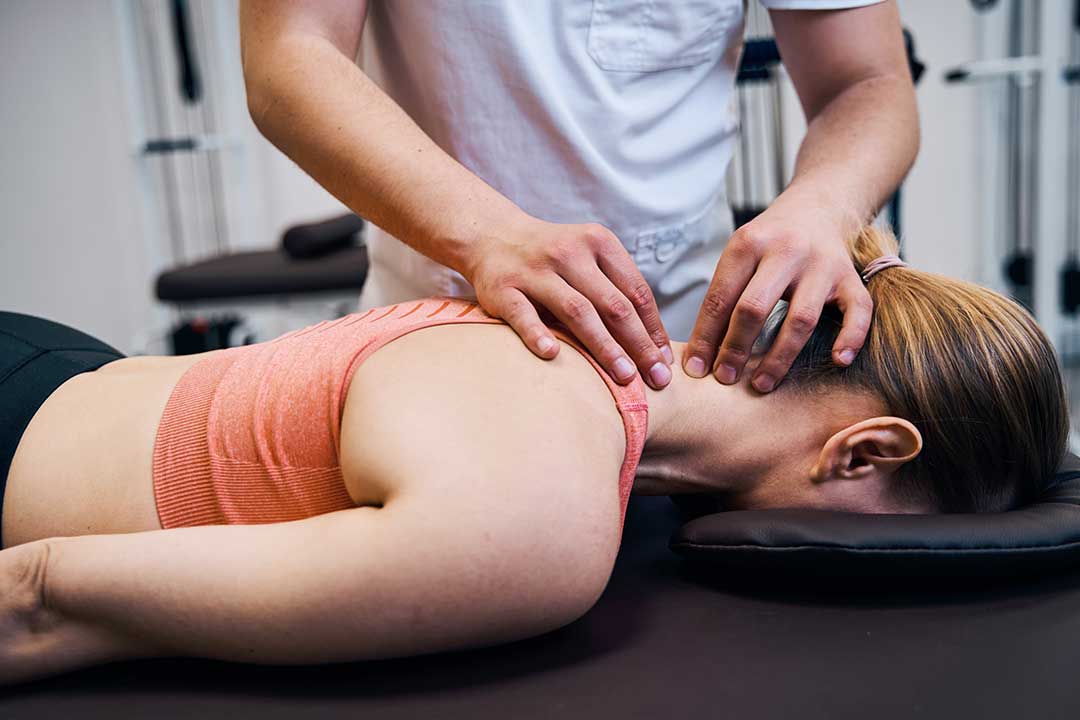
Anyone with progressive symptoms, sudden pain, or signs of nerve involvement should consult with medical providers to rule out other causes.
How Do Local Conditions Affect Scoliosis Management?
The lifestyle and climate in Lansing present unique factors for scoliosis management. Winters can be harsh, with heavy coats and snow removal placing extra strain on the back. Safe lifting techniques and regular warmth-up exercises are particularly important for those with spinal curvature. Residents who spend significant time gardening or performing seasonal chores may need additional guidance on body mechanics.
Access to healthcare can also influence options; in more rural parts of the community, it may take longer to arrange medical imaging or specialist referrals. Families should keep records of observed changes in posture or discomfort, as sharing detailed notes with healthcare professionals can be especially valuable when appointment intervals are longer.
What Should Residents Watch for at Home?
Families and individuals managing scoliosis should keep an eye out for:
- Visible changes in posture, gait, or shoulder/hip alignment
- Persistent or increasing pain, especially during growth spurts for children
- Reduced range of motion, trouble with daily chores, or changes in activity tolerance
Regular stretching, strength-building exercises, and attention to ergonomics can help many people manage discomfort between check-ups.
How Can Area Residents Choose Supportive Strategies?
Practical management of scoliosis in the community often combines regular monitoring, supportive exercise, ergonomic adjustments at home or work, and—in some cases—complementary therapies like chiropractic. Clear communication with healthcare professionals ensures the safest, most effective care, especially for growing children or individuals experiencing new symptoms.
Screenings at schools or annual check-ups provide valuable opportunities to track changes. Within the community, residents often share advice about adaptive tools for gardening, winter tasks, or local recreational activities to reduce discomfort.
