
 See Our Latest Article on HelloNation

What Causes a Clicking Sound in the Neck?
A clicking or popping sound in the neck is a common experience for many people in Lansing, NY. This sensation can occur during head movements, stretching, or even daily activities. Most of the time, these sounds are harmless and have simple explanations, but they can occasionally signal underlying issues that may need closer attention.
Is Neck Clicking Normal?
For most area residents, occasional clicking or popping in the neck is considered normal and not usually a cause for concern. In many cases, these sounds do not come with pain, swelling, or other symptoms. People might notice the clicking more in colder weather or after periods of inactivity, both of which are common in Lansing’s climate, especially during winter months when residents often spend more time indoors.
What Actually Causes the Sound?
The clicking sound often heard in the neck is usually due to one of the following mechanisms:
- Cavitation: This is the most common source and occurs when tiny gas bubbles in the synovial (joint) fluid rapidly collapse or form as the neck joints move. This is similar to the sound of cracking knuckles.
- Ligament or Tendon Movement: Ligaments or tendons may snap over the bony ridges of the spine during motion, especially if posture changes frequently or after long periods of poor posture.
- Joint Movement: As the joints in the cervical spine (the neck) move, natural changes in pressure or alignment can create a popping or clicking noise.
These causes are usually benign if not accompanied by discomfort or changes in movement.
Can Neck Clicking Signal a Health Issue?
While often harmless, neck clicking can sometimes indicate underlying medical or structural conditions, especially if noises are persistent or accompanied by other symptoms:
- Degenerative Joint Changes: As people age, the joints in the neck can undergo wear and tear, leading to arthritic changes or loss of cartilage. This may make clicking or grating sounds more frequent.
- Injury: Past injuries from falls, sports, or car accidents can change the normal alignment of the cervical spine, increasing the likelihood of noises.
- Joint Dysfunction: When muscles are tight or joints become restricted, the motion might not be smooth, producing more frequent clicks or pops.
- Disc Issues: Although less common, bulging or herniated discs may occasionally alter joint movement enough to cause clicking sounds.
Local residents who have experienced whiplash from car accidents during icy road conditions—a known seasonal risk in Lansing—or who do manual work outdoors, might be more likely to notice these issues.
Are There Any Signs to Watch Out For?
Clicking that is not painful is usually not a cause for alarm. However, some symptoms indicate a need for medical advice, such as:
- Persistent or severe pain alongside neck clicking
- Numbness, tingling, or weakness in the arms or hands
- Loss of movement or stiffness that affects daily activities
- Swelling, redness, or visible changes in the neck
If neck noises develop rapidly after an injury, such as a fall on ice or during outdoor work—a not uncommon scenario in local winters—seeking professional evaluation can help rule out more serious injury.
How Do Lifestyle and Habits in Lansing Affect Neck Clicking?
The everyday routines and climate in Lansing can influence how often people experience neck clicking:
- Seasonal Change and Activity Levels: Cold, damp weather can lead to less physical activity and more time indoors, potentially causing muscles and joints to stiffen.
- Digital Device Use: Remote work, online learning, and frequent use of mobile devices have increased sedentary behaviors and poor postural habits across the community.
- Gardening and Outdoor Chores: Many households in Lansing take part in gardening or property maintenance, which might involve repetitive bending or awkward neck positions.
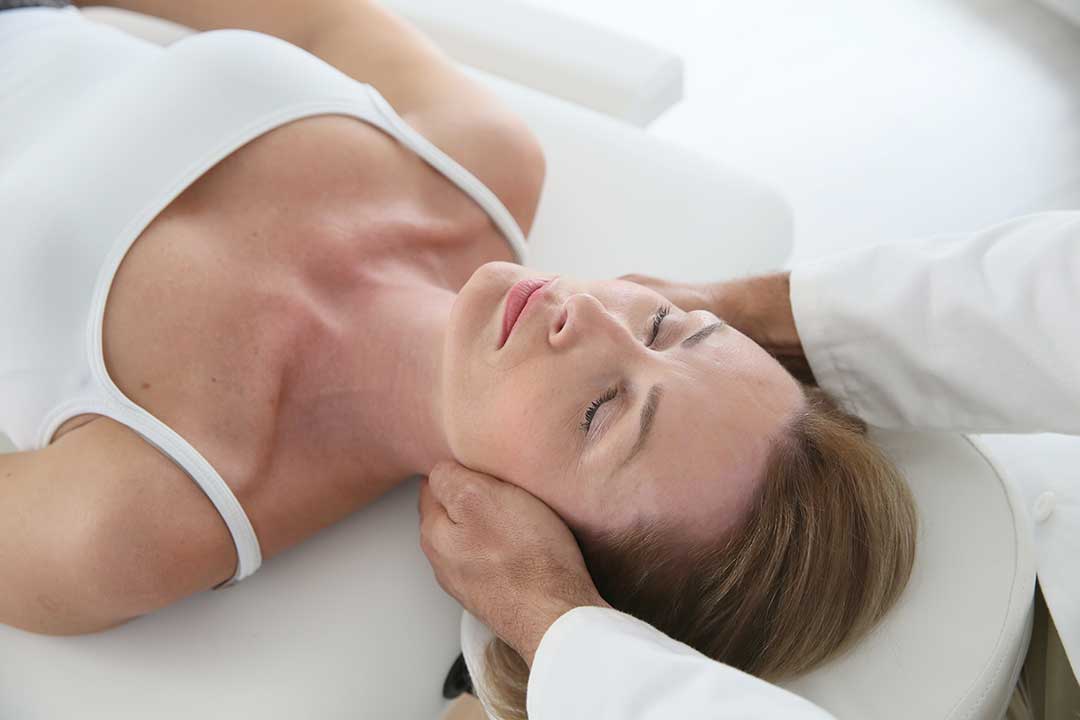
Keeping the neck moving and maintaining good posture during these activities can help decrease both stiffness and the frequency of joint sounds.
What Can Residents Do About Benign Neck Clicking?
For Lansing households experiencing non-painful neck clicking, a few self-care actions may help:
- Gentle neck stretches and range-of-motion exercises
- Periodic movement breaks during prolonged sitting or screen use
- Attention to sitting posture both at home and at work
- Using supportive pillows for sleep, especially through colder seasons
Applying these habits can support neck comfort and mobility, while also minimizing unnecessary anxiety about occasional sounds.
What Are Common Misunderstandings?
A frequent misconception in the community is that every crack or click is a sign of damage or arthritis. Many residents also worry that self-care techniques like gentle stretching or careful neck movement will worsen the noises or lead to injury. For most healthy adults, occasional neck clicking—especially if it comes without pain or loss of function—is not harmful. Excess worry can lead to less movement, which may actually increase joint stiffness over time.
When Should Neck Clicking Be Evaluated Further?
Although most neck sounds are harmless, it is sensible to seek guidance when:
- The clicking is joined by neurological symptoms (numbness, tingling, weakness)
- There is a recent history of trauma, such as a winter slip or sports incident
- Symptoms worsen or make daily routines difficult
Timely consultation may be particularly warranted for residents whose lifestyles or outdoor activities put them at higher risk for neck injuries. Ensuring overall joint health and safety is especially important during seasons with more indoor living or when working outdoors in challenging conditions.
